Managing the Baton Rouge October Swing: Why Your Heat Pump Struggles with 30-Degree Daily Shifts
The Shock to the System: When Fall Mornings and Afternoons Collide
Your heat pump is running nonstop, shutting off, and turning right back on, but the house still feels completely unbalanced. Managing the Baton Rouge October swing: why your heat pump struggles with 30-degree daily shifts is one of the most common challenges we see homeowners face during the seasonal transition. You wake up freezing, but by the time you get home from work, the house is sweltering. That strange, erratic behavior from your system isn't going away on its own, and it often leads homeowners to panic, assuming their equipment is entirely broken.
Here is the thing: your system is likely functioning exactly as it was programmed to function. The problem lies in how that programming interacts with the extreme weather outside. When it comes to securing reliable heating services, the first step is always understanding the environment your equipment operates in. October in Baton Rouge brings an urgent seasonal transition where heating is absolutely necessary at dawn, yet active cooling is required by dusk. This creates a scenario where your thermostat and your heat pump are constantly fighting each other to maintain a baseline temperature.
Most HVAC systems are designed for gradual seasonal changes. They expect a long, slow transition from summer to fall, and then from fall to winter. They do not naturally anticipate needing to act like a furnace at 6:00 AM and an air conditioner at 4:00 PM on the exact same day. This rapid shift puts immense mechanical stress on the equipment. Learning how to configure your thermostat settings correctly prevents the system from fighting itself, saves you money on energy bills, and protects the lifespan of your unit.
Why a 30-Degree Daily Shift Causes Heat Pump Confusion
The Problem: A house goes from needing active heat to needing active cooling in just a few hours. When you experience a 50°F morning low, the thermal mass of your home cools down significantly overnight. The walls, the floors, and the furniture all absorb that chill. Then, the sun comes up. By the afternoon, the temperature spikes rapidly.
The Cause: Heat pumps are incredibly efficient machines, but they operate by moving heat from one place to another. They are designed to manage thermal loads over long periods. When the outdoor temperature swings 30 degrees in a single 24-hour period, the thermal load of your home shifts faster than the system's sensors can comfortably track. The thermostat reads the indoor air temperature, but it doesn't account for the rapid changes happening outside or the heat being retained by the humidity in the air.
The Solution: Understanding this thermal load shift is a regional edge case that requires specific local knowledge to manage effectively. If you are looking for dependable Baton Rouge HVAC services, you need strategies tailored to this specific climate.
• Early Morning (6:00 AM) — Outdoor Condition: 50°F morning low, crisp air — Home's Thermal Load: Losing heat to the outside; structure feels cold — System's Reaction: Ramps up in heating mode to warm the space
• Mid-Day (12:00 PM) — Outdoor Condition: 72°F, rising sun — Home's Thermal Load: Neutral; solar heat gain begins through windows — System's Reaction: Shuts off, enters standby mode
• Late Afternoon (4:00 PM) — Outdoor Condition: 85°F afternoon high, humid — Home's Thermal Load: Absorbing heat rapidly; structure feels hot and sticky — System's Reaction: Rapidly switches to cooling mode to overcompensate
By recognizing that your system is dealing with three distinct "seasons" in a single day, you can begin to see why it acts confused. It is simply trying to keep up with a moving target.
The Mechanical Toll: Reversing Valves and Short-Cycling
When your system tries to keep up with an 85°F afternoon high right after dealing with a cold morning, it undergoes significant physical stress. A heat pump is unique because it provides both heating and cooling from the exact same unit. It achieves this using a specialized component that dictates the flow of refrigerant.
Understanding the Reversing Valve
The reversing valve is the physical component responsible for shifting the direction of the refrigerant flow. When the valve is in one position, the system absorbs heat from the outside air and pumps it indoors. When the valve shifts to the other position, the system absorbs heat from the indoor air and pumps it outside, effectively acting as an air conditioner.
This valve is a mechanical part that operates under high pressure. Forcing the reversing valve to switch modes twice a day—every single day for weeks during October in Baton Rouge—causes premature wear and tear. It is similar to driving a car and aggressively shifting from drive to reverse without coming to a complete stop. Over time, the internal seals can degrade, or the solenoid that controls the valve can burn out, leaving your system stuck permanently in one mode.
The Danger of Short-Cycling
Frequent mode switching often leads to a phenomenon known as short-cycling. This occurs when the heat pump turns on, runs for a very brief period (usually less than 10 minutes), and then shuts off before completing a full, efficient cycle. Rapidly switching between heating and cooling prevents the system from properly conditioning the air.
• Identifying the sound: You will hear the compressor kick on with a loud hum, run briefly, and then shut down with an abrupt click or whoosh sound, only to repeat the process minutes later.
• The impact on efficiency: Heat pumps use the most electricity during startup. If the system is constantly starting and stopping, your energy bills will skyrocket while your home remains uncomfortable.
• Long-term damage: The compressor is the heart of your HVAC system. Short-cycling forces the compressor to endure dozens of unnecessary starts per day, significantly shortening its operational lifespan.
The Pitfalls of 'Auto' Mode During Fall Transitions
The Problem: Many homeowners rely entirely on the "Auto" function on their thermostat during the fall. While this seems like the most convenient option, it is often the root cause of the system fighting itself during extreme shoulder seasons.
The Cause: The "Auto" setting is designed to automatically switch the system between heating and cooling based on the indoor temperature. However, most modern thermostats are highly sensitive. During October in Baton Rouge, the morning chill causes the heater to run. As the sun rises and the house warms up naturally, the indoor temperature might overshoot your target by a single degree. In Auto mode, the thermostat immediately panics, switches the reversing valve, and blasts the air conditioning to bring the temperature down that single degree. An hour later, a cloud covers the sun, the house cools off, and the heater kicks back on.
The Solution: This constant overcompensation cools the house too much in the afternoon and heats it too much at night. If you want a deeper dive into managing smart devices, our thermostat troubleshooting guide offers great insights. The safest alternative during highly volatile weather weeks is to utilize manual switching strategies or widen your temperature parameters.
Mastering the Thermostat Deadband for Shoulder Seasons
To prevent your system from rapid-cycling between heating and cooling during a 50°F morning low, you need to understand and adjust your thermostat's deadband. A deadband is the minimum temperature gap between your heating setpoint and your cooling setpoint.
A standard 1-degree deadband is completely insufficient for extreme daily swings. If your heat is set to 70°F and your AC is set to 72°F, the system will constantly bounce back and forth. Here is how to configure a safer, wider gap based on Department of Energy guidelines:
1. Access your system settings: On most digital or smart thermostats, you can adjust the auto-changeover temperature gap in the advanced settings or preferences menu.
2. Widen the gap: Increase the deadband to a minimum of 3 degrees, though 4 to 5 degrees is often better for extreme fall weather. For example, set your heating to kick on at 68°F and your cooling to kick on at 74°F.
3. Allow for natural fluctuation: This wider gap creates a "neutral zone" where the HVAC system does nothing. As the house naturally warms up from the morning sun, the temperature can float between 68°F and 74°F without triggering the equipment.
4. Give the equipment time to rest: By utilizing this neutral zone, the reversing valve stays locked in position longer, the compressor rests, and short-cycling is eliminated.

Factoring in Humidity: South Louisiana's Hidden Variable
Temperature is only half the battle. South Louisiana features a heavily humid subtropical climate, meaning significant moisture fluctuations accompany these temperature swings. When you hit that 85°F afternoon high in October, the air is often thick with humidity. Moisture in the air physically retains heat, changing how the temperature actually feels against your skin.
This afternoon humidity heavily impacts the heat pump's perceived cooling performance. Latent heat (the heat held by moisture) takes much longer to remove from a home than sensible heat (the actual temperature of the air). If your system is short-cycling because of a narrow deadband, it will never run long enough to pull that moisture out of the air. The system turns off because the air temperature dropped a degree, but the house still feels sticky and uncomfortable.
Proper run times are absolutely necessary for the system to effectively dehumidify the indoor environment. During the warmer parts of the day, it is often better to set the thermostat a degree or two higher but force the system to run a longer, continuous cycle. This prioritises humidity control, making a 74°F room with low humidity feel much cooler and more comfortable than a 71°F room with high humidity.
Adjusting Settings vs. Scheduling Professional Maintenance
It is crucial to differentiate between weather-induced operational quirks and actual mechanical issues that require a licensed professional. Because Marvin's AC & Heating LLC has a deep understanding of South Louisiana's erratic fall climate and specialized local heat pump expertise, we know exactly what is normal for October in Baton Rouge and what is a red flag.
Signs your system is just reacting to the weather (try adjusting your deadband):
• The system runs frequently but the air coming from the vents matches the thermostat's requested mode.
• The indoor temperature overshoots the setpoint by one degree before shutting off.
• The unit operates quietly but seems to switch back and forth between heat and cool during the mid-morning.
Warning signs of a true mechanical failure (call a professional):
• Stuck reversing valve: The thermostat calls for heat, but the vents blow ice-cold air (or vice versa), and the system never corrects itself.
• Strange noises: Grinding, squealing, or violent shuddering when the outdoor unit turns on.
• Failure to switch modes: The system simply refuses to transition from cooling to heating, even when manually prompted.
• Ice buildup: Frost or solid ice forming on the outdoor coils during a mild 50°F morning.
Remember that electrical components, high-voltage wiring, and refrigerant lines require licensed professionals. Never attempt to manually force a reversing valve or open the electrical cabinet of your heat pump. Instead, rely on routine HVAC maintenance. A thorough fall inspection ensures your system is prepared for the upcoming winter and that the extreme daily swings haven't caused hidden damage.
Frequently Asked Questions About Fall Heat Pump Performance
Why is my heat pump short cycling in the fall?
Short cycling in the fall usually happens because the system is reacting to rapid outdoor temperature changes. When mornings are cold and afternoons are hot, a thermostat set to "Auto" with a narrow temperature gap will constantly turn the system on and off to chase minor indoor temperature shifts. Widen your thermostat's deadband to give the system a larger neutral zone to rest.
Should I use auto mode on my thermostat during October?
Using auto mode during extreme shoulder seasons is generally not recommended unless you have configured a wide deadband (at least 3 to 5 degrees). Without a wide gap, auto mode causes the heat pump to fight itself, rapidly switching between heating and cooling as the sun rises and sets. Manual switching is often much safer and more energy-efficient during these volatile weeks.
How do I set my thermostat for fall weather?
The most efficient way to set your thermostat for fall weather is to establish a comfortable baseline that accounts for both the 50°F morning low and the afternoon heat. Set your heating setpoint slightly lower than usual (e.g., 68°F) and your cooling setpoint slightly higher (e.g., 74°F). This prevents the system from overworking during the mild mid-day hours.
What is a thermostat deadband and why does it matter?
A thermostat deadband is the required temperature gap between your heating and cooling setpoints when the system is in auto mode. It matters because a narrow deadband (like 1 degree) will cause the system to short-cycle and switch modes constantly. A wider deadband protects the mechanical components of your heat pump by preventing unnecessary wear and tear.
Can extreme daily temperature swings damage my reversing valve?
Yes, forcing the reversing valve to switch back and forth multiple times a day puts unnecessary mechanical stress on the component. The reversing valve changes the flow of pressurized refrigerant. Continual, rapid shifting can wear out the internal seals or the controlling solenoid, eventually causing the valve to become permanently stuck in one mode.
How long should a heat pump run during moderate fall weather?
During moderate fall weather, a healthy heat pump should run in cycles of roughly 15 to 20 minutes to properly condition and dehumidify the air. If the system is turning off after only 5 or 10 minutes, it is short-cycling. Longer, steady run times are significantly better for the equipment's lifespan and your home's overall comfort.
Keep Your Comfort Consistent This Fall
Understanding how the weather impacts your equipment is the first step to maintaining a comfortable home. When you experience an 85°F afternoon high immediately following a chilly morning, your system isn't necessarily failing—it is just trying to navigate a difficult climate. By applying the safe thermostat adjustments we have discussed, such as widening your deadband and avoiding strict auto-changeover reliance, you can protect your equipment from unnecessary stress.
If you have made these adjustments and your system is still struggling to keep up, it might be time for professional guidance. Whether you need help optimizing your current setup or suspect a mechanical issue like a stuck reversing valve, exploring reliable heat pump systems and scheduling a seasonal check-up will give you a clear explanation of your system's behavior and actionable solutions to restore your comfort.
Customer Testimonials

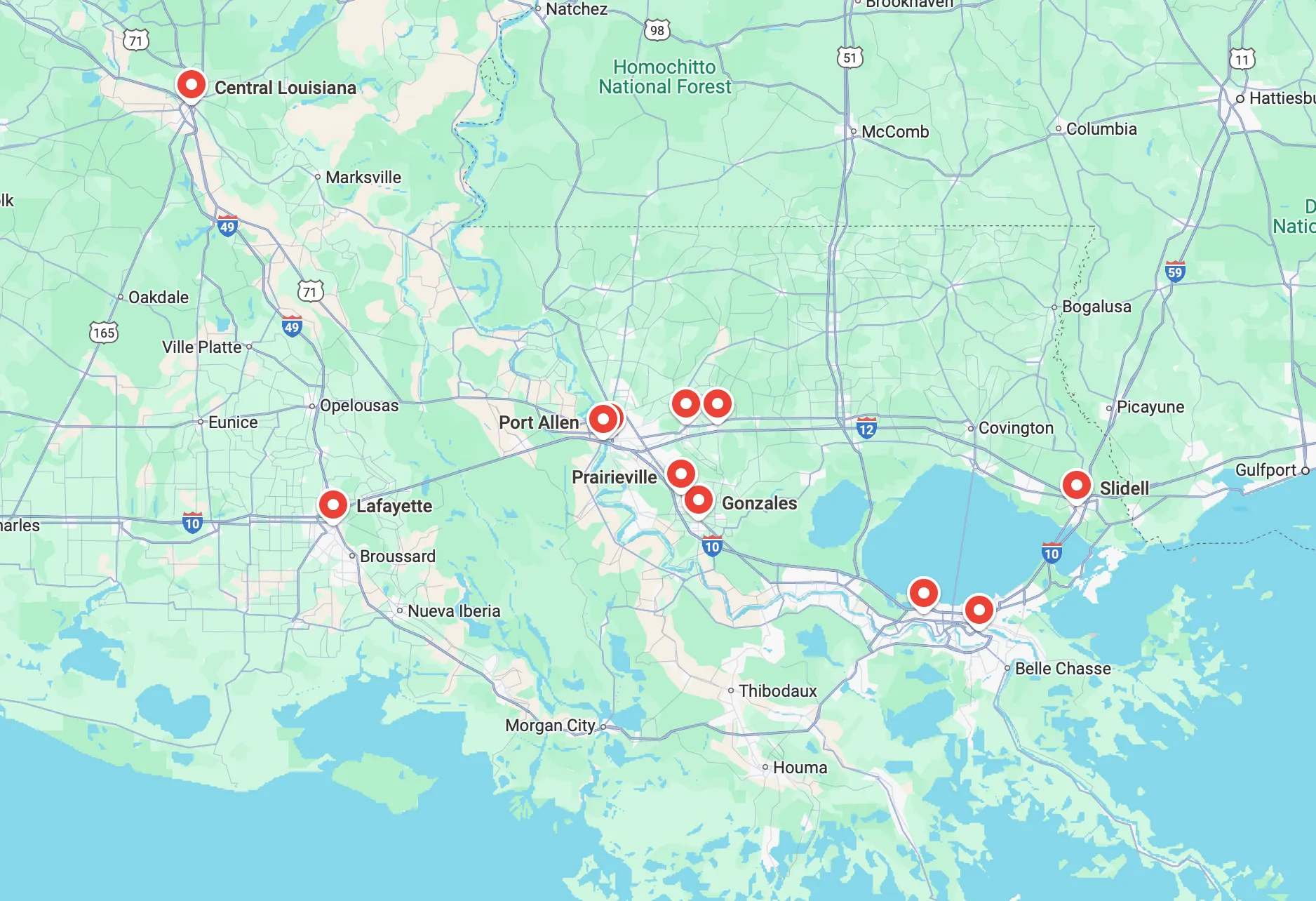
Service Areas