Why Closing Vents in Unused Rooms Actually Strains Your Blower Motor
The Holiday Energy-Saving Myth That Costs Homeowners
Closing vents to save energy is a stubborn myth—in fact, understanding why closing vents in unused rooms actually strains your blower motor is the secret to avoiding unexpected breakdowns. As November and holiday season prep begins, our technicians at Marvin's AC & Heating LLC often see Baton Rouge homeowners walk through their houses shutting the registers in empty guest rooms, offices, and storage areas. The logic seems perfectly sound: if you block heated air from entering an empty room, that air will redirect to the spaces you actually use, lowering your utility bills in the process.
The reality of HVAC physics tells a completely different story. Your heating system is not a smart, adaptable network that happily reroutes air without consequence. It is a closed mechanical loop designed to push a very specific volume of air against a very specific amount of resistance. When you shut those vents, you do not save energy. You simply block the exit points, creating a sudden spike in a hidden force called static pressure.
This decision point—trying to save on seasonal heating bills versus unintentionally suffocating your equipment—forces homeowners into a corner. The resulting pressure spike forces the system to work much harder, consume more electricity, and wear out its internal components prematurely. Eventually, the mechanical strain becomes so severe that you find yourself needing AC repair in Baton Rouge or an emergency heating service call long before the equipment should have failed.
Understanding Static Pressure in Your Ductwork
To understand why a closed vent is so destructive, you first need to understand static pressure. In the HVAC world, static pressure is the resistance to airflow within your duct system. You can think of it as the equivalent of blood pressure for your home's respiratory system. Every filter, turn, transition, and vent cover adds a small amount of resistance.
Engineers design residential ductwork using strict mathematical guidelines, known as ACCA Manual D standards, to ensure the system moves a precise volume of air, measured in Cubic Feet per Minute (CFM). A healthy residential system is typically designed to operate at a static pressure of around 0.5 inches of water column (in. w.c.). The entire network of ducts is sized specifically to handle the output of your ECM (Electronically Commutated Motor) blower at this exact pressure rating.
The garden hose analogy:
Imagine a garden hose running at full blast. If you place your thumb over half the opening, the water doesn't stop flowing, and the faucet doesn't pump out less water. Instead, the pressure behind your thumb skyrockets, and the water sprays out forcefully. Your ductwork behaves the exact same way. When you close a vent, the blower does not produce less air. The air simply hits a literal wall, causing the static pressure inside the sheet metal or flex duct to spike dramatically. This invisible pressure is the enemy of maximizing HVAC efficiency and airflow.
• All Vents Open — Airflow Volume (CFM): Optimal / Balanced — Static Pressure: Normal (~0.5 in. w.c.) — Impact on Equipment: Smooth operation, normal wear
• 1-2 Vents Closed — Airflow Volume (CFM): Slightly Restricted — Static Pressure: Elevated — Impact on Equipment: Mild strain, potential whistling noises
• Multiple Vents Closed — Airflow Volume (CFM): Severely Restricted — Static Pressure: Dangerously High — Impact on Equipment: Motor overheating, massive energy waste
How Your ECM Blower Motor Fights Back (And Loses)
The consequences of high static pressure depend heavily on the type of motor driving your system. Older HVAC units often used Permanent Split Capacitor (PSC) motors. When a PSC motor faced a closed vent and high pressure, it simply slowed down. It moved less air, the house became uncomfortable, and the heat exchanger risked overheating. However, modern systems use a much more advanced piece of technology: the ECM (Electronically Commutated Motor) blower.
At Marvin's AC & Heating LLC, our team approaches airflow diagnostics as building-science professionals. In our years of servicing Baton Rouge homes, we know that modern ECM blowers are programmed to be relentlessly consistent. They are designed to maintain a specific CFM of airflow regardless of the resistance they encounter. This makes them incredibly efficient under normal conditions, but it turns them into their own worst enemy when you start shutting vents.
The RPM Ramping Effect
Because an ECM (Electronically Commutated Motor) blower constantly monitors its own torque, it immediately senses the increased resistance when you close a guest room vent. Its internal computer registers that the airflow has dropped below the programmed target. To compensate, the motor automatically ramps up its revolutions per minute (RPMs).
The motor spins faster and faster, fighting against the trapped air, desperately trying to force the required volume of air through the remaining open vents in the house. This ramping effect completely defeats the purpose of closing vents to save energy. The harder the motor works, the more electricity it consumes. Furthermore, this intense friction and electrical draw generate massive amounts of excess heat within the motor housing. Over time, a pattern we see often is this daily battle against high static pressure degrading the motor's internal electronics, leading to premature—and entirely avoidable—motor failure.

The Chain Reaction: Duct Leakage and System Strain
The damage caused by closed vents does not stop at the blower motor. When an ECM (Electronically Commutated Motor) blower ramps up to maximum speed, that pressurized air has to go somewhere. If it cannot escape through the closed registers in your guest room, the pressure will aggressively seek out the weakest link in your duct system.
When our crews inspect duct systems in local homes, we see the results of this firsthand. In most residential setups, ductwork is assembled in sections, connected by seams, joints, and tape. Under normal static pressure, these seals hold up perfectly well. But when pressure spikes, the trapped air literally forces its way out through microscopic gaps in the duct seams. Instead of heating your living room, you end up blasting conditioned air directly into your uninsulated attic, crawlspace, or wall cavities.
• Lost conditioned air: You pay to heat the air, only to force it into the attic where you cannot feel it.
• Extended run cycles: Because the heated air is leaking into the walls, the thermostat takes much longer to reach your desired temperature, keeping the system running continuously.
• Negative pressure in the home: Pushing air into the attic creates a vacuum in the living space, which aggressively pulls cold, unconditioned outdoor air in through window frames and door gaps.
This chain reaction means your heating system is running longer, working harder, and losing the very heat you were trying to conserve in the first place.
The Hidden Danger of Humidity and Condensation
Beyond mechanical strain, closing vents introduces a severe environmental risk to your home. Working in Baton Rouge's highly humid climate, our team frequently sees how critical proper airflow is not just for temperature control, but for vital moisture removal. An HVAC system does more than heat or cool the air; it actively manages the humidity balance across your entire floor plan.
When you seal off a room during your November and holiday season prep, you cut off that room's supply of conditioned, dehumidified air. The air inside that closed room becomes stagnant. Because the rest of the house is being heated or cooled, a temperature differential forms between the active rooms and the closed-off room.
As the temperature in the unused room drops, the air rapidly approaches its dew point. In a humid environment, this is a recipe for disaster. Condensation begins to form on cold surfaces, including windows, exterior walls, and the inside of the stagnant ductwork leading to that closed vent. Dark, damp, and stagnant ductwork provides the perfect breeding ground for mold and mildew. By trying to save on heating, you risk compromising your home's indoor air quality and creating a moisture problem that is incredibly difficult to remediate.
Smarter Ways to Manage Temperatures in Unused Rooms
If closing vents is off the table, how do you manage a home with empty rooms without wasting energy? The key is to work with your HVAC system's design rather than fighting against its ECM (Electronically Commutated Motor) blower. Here are the scientifically sound methods we recommend for balancing your home's temperatures safely.
1. Leave all supply vents fully open: The simplest and safest approach is to allow the system to breathe as designed. Keeping all vents open ensures static pressure remains low and airflow stays balanced across the entire home.
2. Follow the 20% rule: If you absolutely must restrict airflow to a specific area, never close more than 20% of the total vents in your home. Even then, we recommend partially closing a louver rather than shutting it completely tight.
3. Ensure return air pathways are clear: Supply vents only push air into a room; return vents pull it back to the system. If a guest room has a supply vent but no return vent, closing the bedroom door tightly will trap the air and cause pressure issues. Keep interior doors slightly ajar, or ensure there is at least a one-inch undercut beneath the door so air can escape back to the central return grille.
4. Invest in professional zoning: If your home has consistently uncomfortable rooms or entire wings that go unused for months, consider a professional zoning system. Zoning uses motorized dampers integrated directly with the thermostat and blower computer to safely direct air without causing dangerous pressure spikes.
5. Schedule seasonal check-ups: Before the winter cold sets in, have a professional evaluate your ductwork and blower performance. Routine preventative HVAC maintenance ensures your motor is clean, your filters are clear, and your static pressure is within safe operating limits.
Frequently Asked Questions About Vents and Airflow
Does closing vents save money?
The short answer is no, closing vents does not save money. When you close a vent, your blower motor does not use less energy; it actually works harder against the increased resistance. This elevated effort draws more electricity and forces conditioned air out of leaks in your ductwork, ultimately increasing your utility bills while putting expensive mechanical components at risk.
How does closing vents affect an ECM motor?
Closing vents causes an ECM (Electronically Commutated Motor) blower to automatically ramp up its speed. These modern motors are programmed to maintain a constant volume of airflow. When they sense the restriction from a closed vent, they spin faster to force the air through, which leads to overheating, excessive energy consumption, and premature motor burnout.
Can closing vents cause mold in ducts?
Yes, closing vents can absolutely lead to mold growth in humid climates. When a vent is closed, the air inside that specific branch of ductwork becomes stagnant. If the temperature drops and reaches the dew point, condensation forms inside the dark, metallic duct, creating the perfect environment for mold and mildew to thrive undetected.
How many vents can I safely close?
Most HVAC professionals recommend never closing more than 20% of the total supply vents in your home. Closing any more than this will almost certainly push the system's static pressure beyond safe limits. For optimal system health and efficiency, the best practice is to leave all vents fully open year-round.
Why does my room get hotter when I close the vent?
If you close a vent to stop heat from entering a room, but the room still gets hot, you are likely experiencing heat transfer through interior walls or a lack of return airflow. Additionally, if the closed vent causes duct leakage in the attic or floor space surrounding that room, the trapped heat can radiate through the building materials, warming the room anyway.
What is static pressure in an HVAC system?
Static pressure is the measurement of resistance to airflow within your ductwork, typically measured in inches of water column. A healthy system is designed to operate against a specific, low amount of resistance (usually around 0.5 in. w.c.). High static pressure means the system is choking, usually due to closed vents, clogged filters, or undersized ductwork.
Protect Your Heating System This Winter
Managing your home's comfort shouldn't involve fighting against your own equipment. Leaving your vents open is the scientifically sound, cost-effective choice for the health of your system. As you wrap up your November and holiday season prep, take a moment to walk through your home and ensure every register is fully open and unobstructed by rugs or furniture.
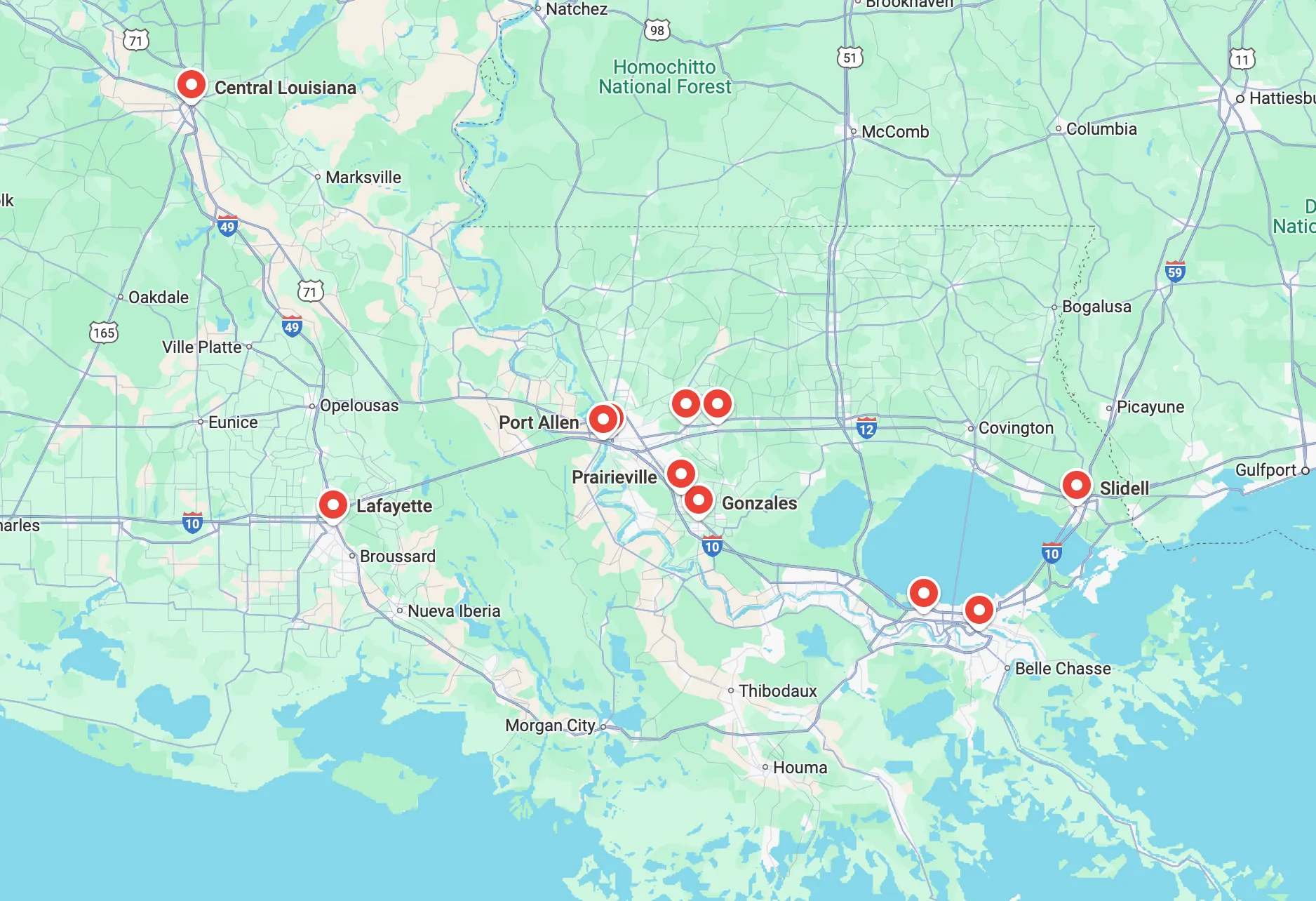
Protecting your equipment now is the easiest way to prevent a catastrophic mid-winter breakdown. When our Marvin's AC & Heating LLC technicians answer emergency calls later in the season, closed vents and airflow restrictions are often the hidden culprits. If you find that certain rooms are still heating unevenly even with all the vents open, the issue isn't the vents—it's likely a duct design or airflow imbalance. Reach out for professional airflow diagnostics to get your system running smoothly, efficiently, and safely all season long.
Customer Testimonials

Service Areas