What Our Technicians Actually Do During a Fall HVAC Check-Up in Kenner
Wondering What Actually Happens During Your Fall HVAC Check-Up?
Is your seasonal tune-up just an expensive air filter change? If you are asking that question, you are not alone. In our years of experience at Marvin's AC & Heating LLC, we have seen firsthand how a lack of transparency leaves customers frustrated. When it comes to understanding exactly What Our Technicians Actually Do During a Fall HVAC Check-Up in Kenner, many homeowners feel left in the dark. You hand over your hard-earned money, a technician spends some time looking at your unit, and you are told everything is good to go. But what actually happens inside that metal box?
Most homeowners are understandably skeptical about the tangible value they receive from seasonal maintenance. We believe you deserve to know exactly what you are paying for. That is why we are introducing a standard of radical transparency. We are pulling back the curtain on our exact diagnostic checklist so you can see the highly technical assessments required to keep your home comfortable.
As we approach the November pre-winter transition, your system requires specific adjustments to shift safely from cooling to heating. A thorough check-up is not a quick visual sweep; it is a deep, mechanical evaluation of your entire system. If you want to understand the true value of professional air conditioning services and heating preparation, you need to see the process step by step. Let's break down exactly what our technicians test, measure, and calibrate before the cold weather arrives.
Clearing Out the Lingering Summer Wear and Tear
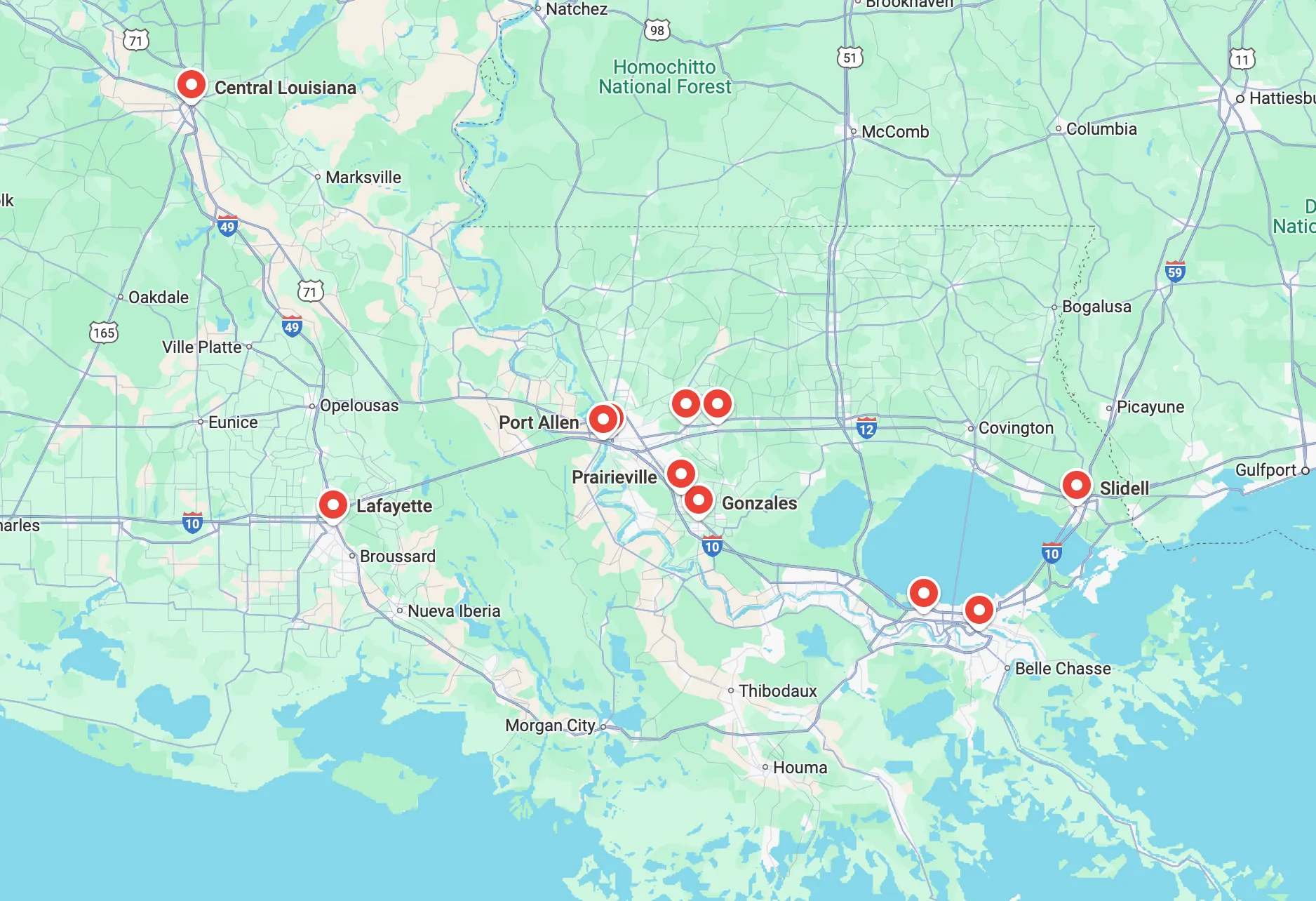
Before your system can safely heat your home, it has to recover from the brutal Louisiana summer. Our team typically sees that high summer humidity in the Kenner and Baton Rouge areas requires specific fall checks on cooling components before the system can safely transition to heating mode. Months of pulling thick, damp air through your ductwork leaves behind specific wear and tear that will not simply disappear on its own.
Dirty coils and clogged filters are the primary cause of premature system failure. When dust mixes with the heavy condensation produced during summer cooling, it creates a sludgy buildup. If left unaddressed, this buildup hardens over the winter, severely restricting airflow when you need to switch the AC back on in the spring. This is why professional a/c maintenance kenner residents rely on always starts by addressing the cooling components first.
A comprehensive professional AC inspection catches these lingering issues before they fester. Our technicians look for signs of biological growth, rust, and mechanical fatigue that developed while your unit was running nonstop in July and August.
Inspecting the Evaporator Coils and Condensate Drain
Your evaporator coil is responsible for absorbing heat and moisture from your indoor air. Below it sits the condensate drain pan and line, which carry that extracted moisture outside. Here is what we do to ensure these components are ready for the off-season:
• Visual and physical coil checks: We inspect the delicate aluminum fins of the evaporator coil for biological growth, dirt buildup, and frost. Even a thin layer of dust acts as an insulator, forcing your system to work harder.
• Clearing the condensate line: We flush and clear the drain line to remove algae and sludge. Stagnant water left in the pan or line can cause severe water damage to your ceilings or floors, and freezing temperatures can crack blocked pipes.
• Checking the drip pan for rust: A rusting pan is a warning sign of future leaks. We ensure the pan is solid and angled correctly for proper drainage.
The Critical Safety Checks: Flame Sensors and Gas Pressure Diagnostics
Once the cooling components are cleared and secured, the focus shifts to the heating cycle. This is where the true value of a professional tune-up shines, because heating systems involve combustible fuels and high temperatures. Performing flame sensor and gas pressure diagnostics is the most critical part of the visit.
What exactly is a flame sensor? It is a small, specialized metal rod located inside your furnace assembly. Its only job is to detect whether a flame is actually present when the gas valve opens. If the sensor does not detect a flame within a few seconds, it immediately shuts the system down to prevent raw, unburned gas from flooding your home. A pattern we see often during our late-fall service calls is carbon buildup coating this sensor, causing it to fail. Our technicians carefully remove, clean, and test the microamp reading of this sensor to ensure it functions perfectly.
Next, we verify the gas pressure. This is highly technical, strictly licensed work. If the gas pressure is too high, the furnace will overheat, potentially cracking the heat exchanger and leaking carbon monoxide into your living space. If the pressure is too low, the furnace will produce excess soot and fail to heat your home. We use specialized manometers to measure the exact water-column pressure of the gas manifold, calibrating it to the manufacturer's exact specifications.
While there are many great steps you can take for DIY HVAC safety and preventative maintenance—like changing your air filters regularly and keeping the area around your outdoor unit clear—adjusting gas pressure and testing safety controls must be left to certified professionals. These specific diagnostics are what prevent dangerous winter malfunctions.
Efficiency Testing for Unpredictable Winter Cold Snaps
Safety is the top priority, but efficiency is a close second. According to data from the U.S. Department of Energy, proper maintenance can improve HVAC efficiency by up to 15%. That translates directly to how hard your system works and how much energy it consumes to keep you comfortable.
As local experts, we know how unpredictable Louisiana winter weather can be, especially as you prepare your home for the holiday season. Sudden cold snaps require a system that can efficiently switch from sitting idle to running in high-demand heating mode. If your system is out of calibration, it will struggle to keep up with these rapid temperature drops.
To guarantee peak efficiency, our technicians perform a series of precise airflow and calibration tests:
1. Thermostat Calibration: We measure the ambient temperature of the room against the thermostat's reading. If the thermostat is off by even a few degrees, your system will cycle on and off improperly, wasting energy.
2. Airflow and Static Pressure Testing: We check the static pressure inside your ductwork. High static pressure means your blower motor is fighting against a restriction (like a dirty filter or closed vents), which drives up your utility usage.
3. Lubricating Moving Parts: The blower motor and inducer fan spin at high speeds. Lack of lubrication causes friction, which leads to motor strain, overheating, and eventually, a burned-out motor. We apply the correct lubricants to reduce this friction.
This November pre-winter efficiency testing ensures your system will not short-cycle or freeze up during the first major cold front of the year.
Inspecting Electrical Components and Connections
Your HVAC system relies on a complex network of electrical components to operate. During the intense summer months, the constant starting and stopping of the compressor sends surges of electricity through the system. This heavy workload takes a toll on wires, contactors, and capacitors.
Our technicians serving the Kenner area use specialized, calibrated multimeters to test the voltage and amperage of every major electrical component. A failing electrical part will often show symptoms on a multimeter long before it actually breaks down, allowing us to catch the problem proactively.
Here is what we look for during the electrical inspection:
• Testing the run and start capacitors: Capacitors store energy and give the motors the jolt of power they need to start. We measure their microfarad output. If a capacitor is weak, the motor will pull too much amperage, overheat, and fail.
• Inspecting the contactor: The contactor is a mechanical switch that controls the flow of electricity to the compressor. We check the metal contact points for pitting, burn marks, or insect infestations (ants love the electrical hum of contactors).
• Tightening loose connections: Vibration from the system running naturally loosens wire terminals over time. Loose wires increase electrical resistance, creating excess heat that can melt wires or trip breakers.
• Measuring motor amperage: We measure how much electricity the compressor and blower motors are drawing. A motor pulling higher amps than its rating is a strong indicator of impending failure.
This deep electrical troubleshooting is a core part of the comprehensive a/c maintenance kenner homeowners rely on to avoid abrupt winter breakdowns.

Why a Quick Visual Once-Over Isn't Enough
There is a massive difference between a thorough diagnostic check and a superficial visual inspection. Anyone can shine a flashlight into a furnace, change a basic air filter, and declare the system ready for winter. But a quick glance cannot measure electrical resistance, it cannot verify the microamp reading of a safety switch, and it certainly cannot confirm that your gas pressure is burning fuel safely.
By pulling back the curtain and providing this exact checklist, we want to prove our thoroughness and build your trust. Radical transparency means you never have to guess what is happening in your garage or attic. You know that performing actual flame sensor and gas pressure diagnostics takes time, specialized tools, and extensive training.
When you enroll in a comprehensive preventative maintenance plan, you guarantee that all these technical steps are completed systematically, every single time. This level of detail is standard for every visit we make. It is the only way to ensure your equipment lasts as long as the manufacturer intended, while keeping your monthly utility bills as low as possible.
• Replacing the air filter — Comprehensive Diagnostic Check-Up: Replacing the filter, testing static pressure, and verifying total airflow
• Looking at the furnace burners — Comprehensive Diagnostic Check-Up: Removing, cleaning, and testing the flame sensor with a multimeter
• Listening to the system run — Comprehensive Diagnostic Check-Up: Measuring precise gas manifold pressure with a manometer
• Checking if the air feels warm — Comprehensive Diagnostic Check-Up: Calibrating the thermostat and testing motor amperage draw
Frequently Asked Questions About Fall HVAC Tune-Ups
What is included in a fall HVAC tune up?
A comprehensive fall HVAC tune-up includes a detailed inspection of both cooling and heating components. The process ensures your system transitions safely between seasons without wasting energy. The primary steps include:
• Filter replacement and thermostat calibration.
• Cleaning evaporator coils and clearing condensate drains.
• Checking electrical connections, testing capacitors, and lubricating moving parts.
• Testing critical safety controls like flame sensors and gas pressure.
Why do HVAC techs check gas pressure?
HVAC technicians check gas pressure to ensure the furnace is burning fuel safely and efficiently. If the gas pressure is too high, the furnace will overheat, which can crack the heat exchanger and allow dangerous carbon monoxide into the home. If the pressure is too low, the system will not generate enough heat and will create excess soot. Proper calibration prevents dangerous conditions and significantly extends the lifespan of the heating equipment.
What does a flame sensor do?
A flame sensor is a vital safety device that detects if a flame is actually present when the furnace's gas valve is open. If the thermostat calls for heat and the gas valve opens, but no flame ignites, the sensor recognizes the failure within seconds. It then automatically shuts off the system, preventing unburned gas from building up inside your home. Over time, carbon builds up on the sensor, which is why it must be cleaned and tested annually.
How long does an HVAC maintenance check take?
A thorough HVAC maintenance check typically takes between 60 to 90 minutes for a single system. This timeframe allows the technician to perform all necessary electrical tests, clean the safety components, measure gas pressure, and clear the condensate lines properly. If a technician finishes in 15 minutes, they likely only performed a visual inspection rather than a complete mechanical diagnostic.
Is a November pre-winter tune-up too late?
No, a November pre-winter tune-up is actually the perfect time for heating verification. While early fall is also great, November is when you need absolute certainty that your safety switches, flame sensors, and gas pressure are correctly calibrated before the first major cold snap hits. It is never too late to secure the safety and efficiency of your heating system before winter fully arrives.
Ready for a Transparent, Thorough HVAC Inspection?
You now know exactly what to expect from top-tier a/c maintenance kenner professionals. At Marvin's AC & Heating LLC, we do not believe in mystery or guesswork; we believe in measuring, testing, and verifying every single component of your system. From clearing out the lingering summer humidity in your condensate lines to performing exact gas pressure diagnostics, our process is designed to protect your home.
Do not wait for a sudden cold front to reveal a hidden problem in your furnace. Secure your system's safety and efficiency before the severe cold weather sets in. If you are ready to experience a truly comprehensive tune-up, schedule your AC maintenance in Kenner today. Our local experts are ready to provide the clear answers and reliable comfort you deserve.
Customer Testimonials

Service Areas